Back
Discover the 6 essential factors that help advertisers scale Web Ads effectively in 2026, from audience targeting to creative optimization and bidding strategy.
TikTok Ads

In today’s performance-driven digital landscape, running Web Ads is no longer just about launching campaigns and hoping for conversions. Platforms like TikTok, Meta, and Google have evolved into highly intelligent ecosystems where data, automation, and creative strategy must work together seamlessly.
For advertisers who want to scale profitably and sustainably, success comes down to mastering a few foundational pillars. Based on the latest best practices, here are six critical factors that empower advertisers to confidently scale Web Ads in 2026.
Audience: The Foundation of Scalable Growth
At the core of every high-performing campaign lies a strong understanding of your audience. But in 2026, audience targeting is no longer about manually selecting interests or demographics; it’s about leveraging data to unlock scalable reach.
Modern advertising platforms are designed to help you expand beyond your existing customer base while still maintaining relevance. By feeding platforms with high-quality data, you enable algorithms to identify new potential customers who behave similarly to your best converters.
The key shift here is transforming your data into actionable targeting signals. Instead of narrowing your audience too much, successful advertisers now focus on broad targeting combined with strong signals, allowing platforms to optimize delivery more effectively.
If you want to dive deeper into how targeting works today, check out Targeting best practise for TikTok Ads.
Signals: The Engine Behind Smart Optimization
Signals are what power modern ad algorithms. Every action your users take, clicks, views, add-to-cart, purchases, feeds into the system and helps it make smarter decisions. Without strong signals, even the best creative or budget won’t perform consistently.
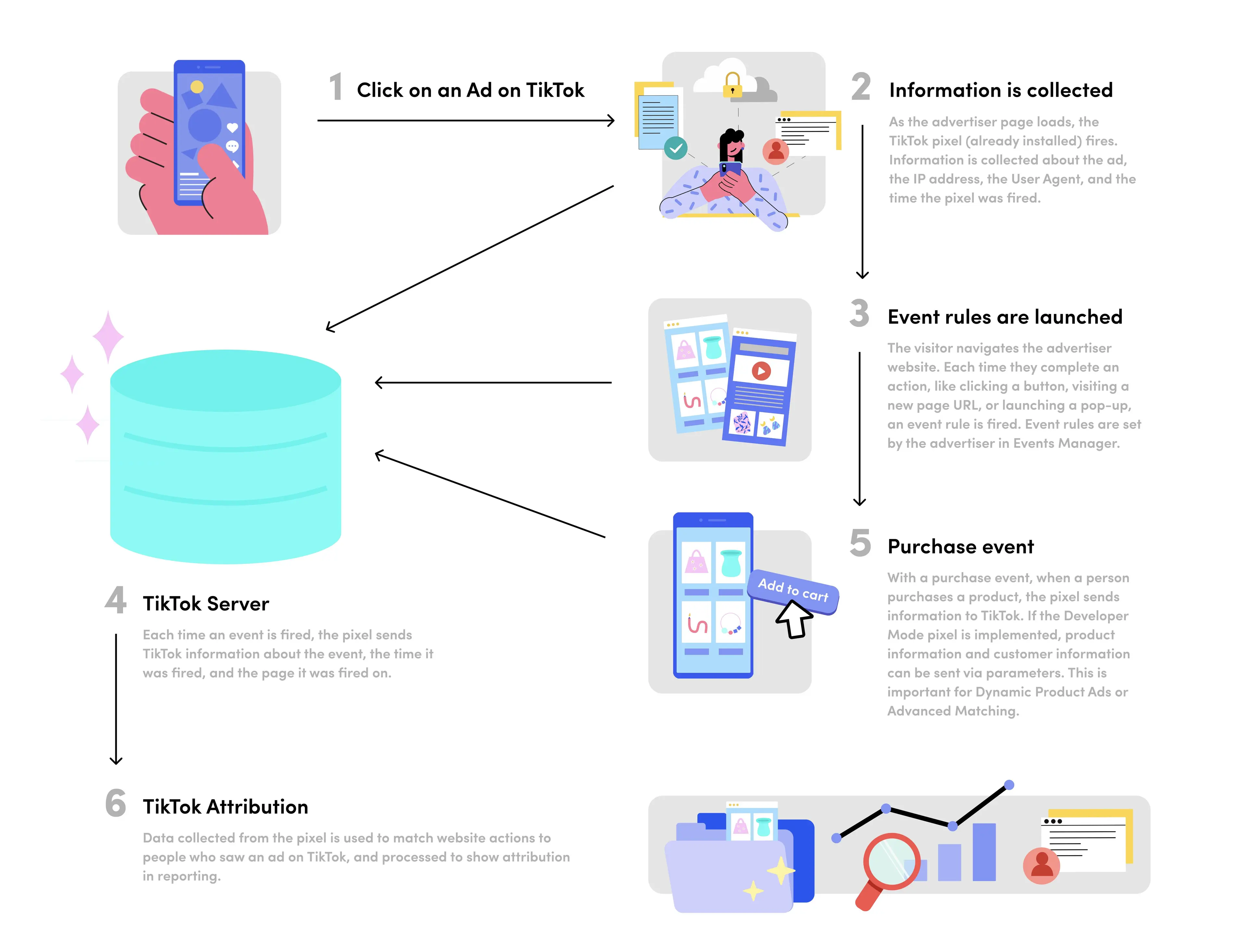
Building a solid signal foundation means:
Prioritizing high-quality conversion events
Ensuring consistent data flow across campaigns
When done right, signals allow platforms to understand who is most likely to convert, when to show ads, and how to allocate budget efficiently. In short, signals turn your campaigns from guesswork into data-driven performance systems.
Test & Learn: The Game Plan for Scaling
Scaling Web Ads is not about luck; it’s about structured experimentation. Top advertisers don’t rely on a single winning campaign. Instead, they continuously test different variables to identify what works best. This includes testing:
Creatives (hooks, formats, messaging)
Audiences
Landing pages
Bidding strategies
The goal is to build a repeatable testing framework that uncovers winning combinations over time. Rather than testing randomly, successful advertisers follow a clear “Test & Learn” game plan:
Start with multiple hypotheses
Run controlled experiments
Double down on winning patterns
This approach not only improves performance but also reduces wasted ad spend.
Optimization: Aligning Campaigns with Business Goals
One of the most common mistakes advertisers make is optimizing for the wrong objective. In 2026, optimization must go beyond surface-level metrics like clicks or impressions. Instead, campaigns should be aligned directly with business outcomes, such as:
Revenue (GMV)
Return on ad spend (ROAS)
Customer acquisition cost (CAC)
Platforms now offer advanced optimization capabilities that allow advertisers to focus on deeper funnel actions. When campaigns are structured correctly, the algorithm can automatically prioritize users who are more likely to generate real business value. This is where full-funnel strategy becomes essential. Learn more about building a full-funnel approach.
Bidding: Balancing Efficiency and Scale
Bidding plays a crucial role in determining how efficiently your budget is spent. The challenge is finding the right balance between:
Efficiency (high ROI, controlled spending)
Scale (maximum reach and volume)
A conservative bidding strategy may protect profitability but limit growth. On the other hand, aggressive bidding can help you scale faster but may reduce efficiency.
Smart advertisers continuously adjust bidding strategies based on campaign stage:
Testing phase → flexible or lower constraints
Scaling phase → optimized for volume
Mature phase → focused on efficiency
The ability to adapt bidding dynamically is what separates stable campaigns from those that plateau.
Creative & Formats: The Ultimate Performance Lever
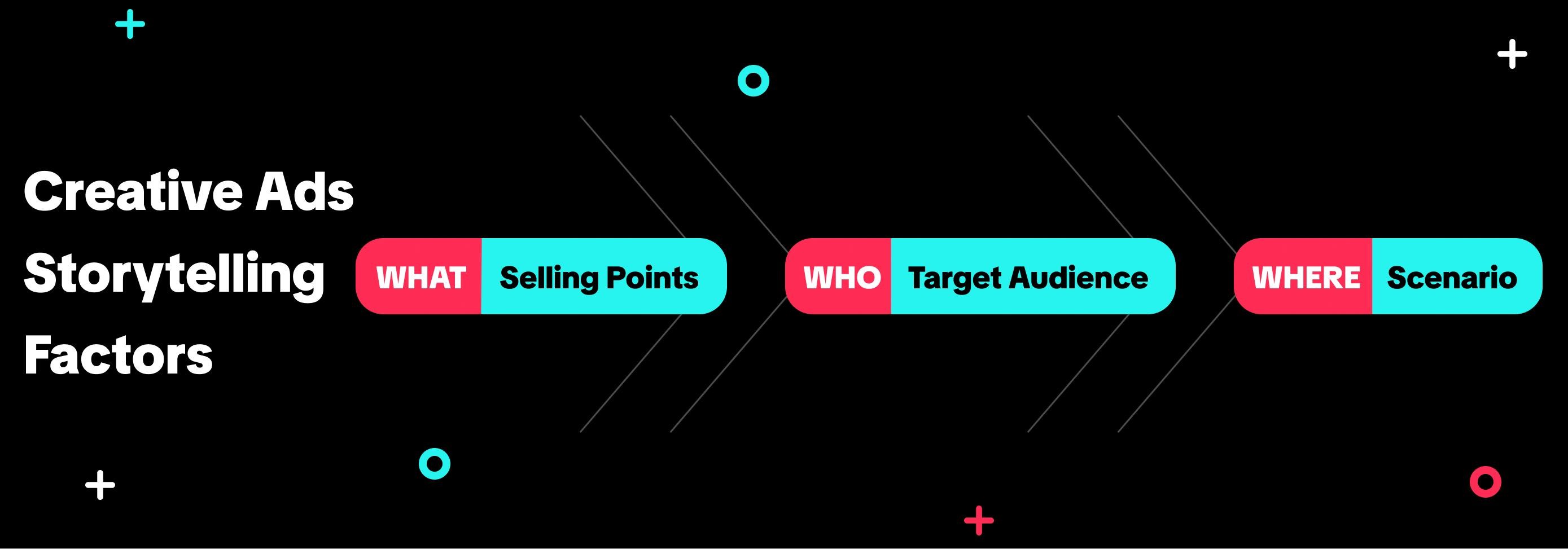
No matter how strong your data or strategy is, creative remains the most powerful driver of performance, especially on platforms like TikTok. In a content-first environment, ads must feel native, engaging, and relevant. The goal is not just to sell, but to capture attention and drive interaction. Winning creatives typically:
Hook users within the first 3 seconds
Feel like organic content (UGC-style)
Clearly communicate value
Continuously evolve to avoid fatigue
At the same time, experimenting with different formats, such as short-form video, carousel, or catalog ads, can significantly impact results. Explore more creative strategies for TikTok Ads.
Conclusion
Winning with Web Ads in 2026 is not about mastering a single element, it’s about building a system where all six factors work together:
Audience expands your reach
Signals guide the algorithm
Testing unlocks new opportunities
Optimization aligns with business goals
Bidding controls efficiency
Creative drives actual performance
When these elements are aligned, campaigns become predictable, scalable, and sustainable.
At Ecomdy, we help brands and advertisers unlock the full potential of Web Ads through:
Agency TikTok Ad Accounts (global scaling across 60+ markets)
Creative production powered by AI (Pody.ai)
Dedicated support from both Ecomdy & TikTok teams