Back
Learn how broad targeting, smart targeting, and lookalike audiences help advertisers reach the right audience and scale campaigns efficiently.
TikTok Ads
Why Targeting Is Critical for TikTok Ads Success
Audience targeting plays a crucial role in determining the success of any advertising campaign. On TikTok, where the platform relies heavily on machine learning and behavioral signals, targeting strategies differ significantly from traditional social media advertising.
Many advertisers assume that detailed targeting is always the best approach. However, TikTok’s algorithm is designed to discover potential customers automatically based on user behavior and engagement patterns.
This means advertisers should focus less on restricting their audience and more on enabling the algorithm to learn and optimize campaign delivery. You can learn more about the TikTok algorithm to better understand how the platform works.
Following the right targeting best practise can help advertisers:
Reduce cost per acquisition (CPA)
Improve conversion rates
Scale campaigns more efficiently
Allow TikTok’s algorithm to identify high-intent users
Whether you are running ads for e-commerce, lead generation, or app installs, understanding the correct targeting strategy can significantly improve campaign performance.
Targeting Best Practices for TikTok Ads
Broad Targeting: The First Targeting Best Practice
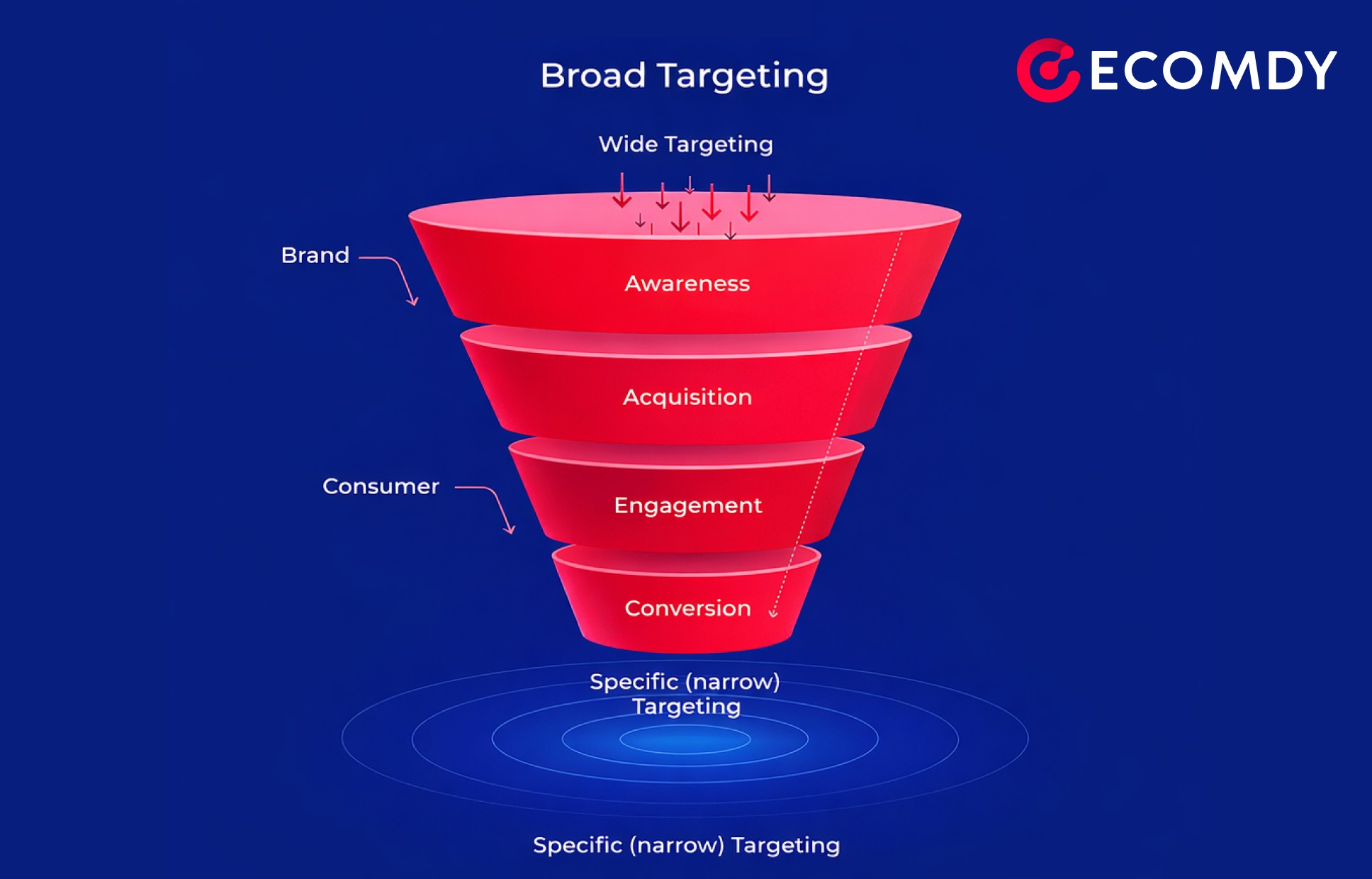
One of the most important targeting best practises recommended by TikTok is starting with broad targeting.
Broad targeting means setting minimal restrictions when defining your audience. Instead of applying multiple layers of interest and behavior filters, advertisers allow TikTok’s algorithm to identify potential customers based on user signals.
TikTok’s machine-learning system analyzes various signals, including:
Video watch behavior
Content engagement
Shopping activity
Creator interaction
Purchase intent signals
Because of this advanced recommendation system, broad targeting often delivers better performance than overly restricted audiences.
Why Broad Targeting Works?
When advertisers use narrow targeting, they limit the number of users who can see their ads. This reduces the algorithm’s ability to test and optimize delivery. Broad targeting gives the system enough data to learn which users are most likely to convert. In many cases, advertisers using broad targeting see improvements such as:
Lower cost per conversion
Higher engagement rates
Faster campaign learning
For most campaigns, the recommended starting point is only to define the essential targeting parameters:
Location
Age group (if necessary)
Language (optional)
Everything else can be optimized automatically by the platform.
Smart Targeting: Let the Algorithm Optimize Delivery
Another key element of targeting best practise is using Smart Targeting. Smart Targeting allows TikTok’s algorithm to expand beyond the audience segments you initially selected. If the system detects users outside your defined audience who are likely to convert, it may deliver ads to them automatically. This feature improves performance by giving the algorithm greater flexibility.
When Smart Targeting is enabled, advertisers often experience:
Improved campaign efficiency
Lower cost per acquisition
Better conversion performance
Reduced audience limitations
Instead of relying entirely on manual targeting settings, advertisers can leverage TikTok’s machine-learning capabilities to identify new potential customers. This approach is particularly useful for conversion-focused campaigns, such as:
E-commerce sales
Lead generation campaigns
App installation campaigns
Website traffic campaigns
Using Interest and Behavior Targeting Strategically
Although broad targeting is generally recommended, interest and behavior targeting can still play a supporting role in some campaigns. Interest targeting allows advertisers to reach users based on their long-term content preferences. For example:
Fashion and beauty
Fitness and health
Technology and gadgets
Food and cooking
Behavior targeting focuses on recent user actions, such as:
Video engagement
Content sharing
Hashtag interactions
Shopping activity
Interest targeting can be useful when:
Launching a new brand
Testing a new product niche
Narrowing audiences for specific campaigns
However, advertisers should avoid selecting too many interests simultaneously. Overly complex audience segmentation can reduce campaign performance. Instead, start with one or two highly relevant interest categories, then compare the results with broad targeting campaigns. Testing multiple audience strategies is an essential part of any successful TikTok campaign strategy.
Retargeting With Custom Audiences
One of the most effective ways to improve campaign performance is through retargeting using custom audiences. Custom audiences allow advertisers to reach users who have already interacted with their brand. These users often have higher purchase intent, making them more likely to convert.
Custom audiences can be created from several sources, including:
Website visitors tracked through the TikTok Pixel
Customer email lists
App users
Users who engaged with your TikTok videos
Users who interacted with previous ad campaigns
Retargeting campaigns can be used for multiple objectives, such as:
Recovering abandoned carts
Encouraging repeat purchases
Promoting limited-time offers
Converting interested visitors into customers
For ecommerce brands, retargeting is a critical component of an effective TikTok Shop strategy.
Because these audiences already know the brand, retargeting campaigns typically deliver higher conversion rates compared to cold audiences.
Scaling Campaigns With Lookalike Audiences
Once a campaign begins generating conversions, advertisers can scale their campaigns using lookalike audiences. Lookalike audiences allow TikTok to find new users who share similar characteristics with your existing customers.
The system analyzes data such as:
Purchase behavior
Engagement patterns
Content consumption habits
Device and usage data
Based on these signals, TikTok identifies new users who are likely to respond to your ads. Lookalike audiences are particularly useful for scaling ecommerce campaigns, as they allow advertisers to expand their reach while maintaining high conversion potential. Many brands combine lookalike audiences with broad targeting to create a balanced scaling strategy.
Continuous Testing and Optimization
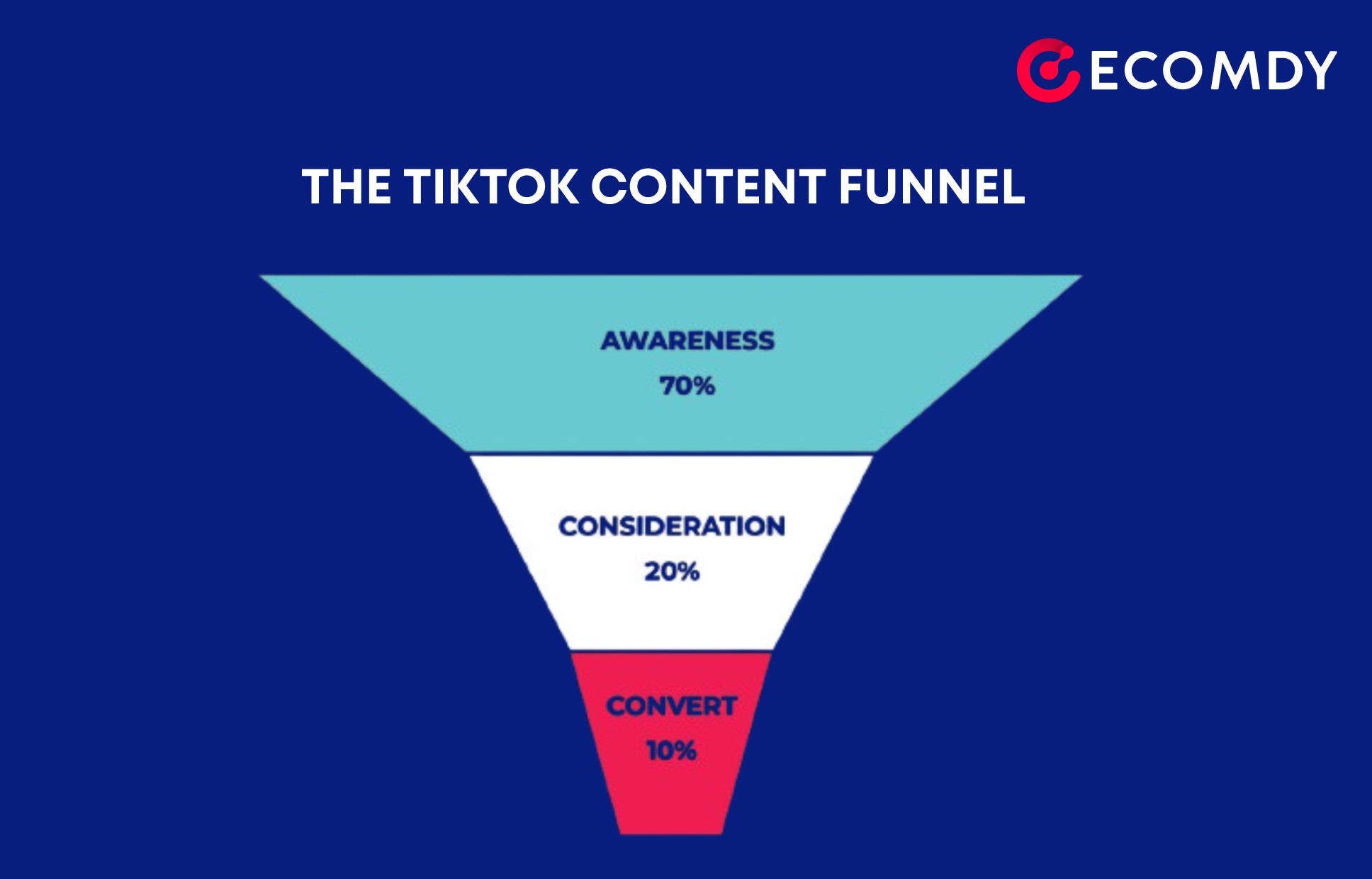
Even when applying the best targeting best practise strategies, continuous testing remains essential. Every product, audience, and market behaves differently. Advertisers should constantly experiment with different targeting approaches to identify what works best.
Recommended Testing Structure: A typical testing setup may include multiple ad groups:
Ad Group 1: Broad targeting
Ad Group 2: Interest targeting
Ad Group 3: Lookalike audience
Ad Group 4: Retargeting audience
By comparing campaign performance across these audience segments, advertisers can determine which targeting strategy produces the best results.
Important metrics to monitor include:
Conversion rate
Cost per acquisition (CPA)
Return on ad spend (ROAS)
Click-through rate (CTR)
Continuous optimization is a key element of running a successful TikTok advertising strategy.
Common Targeting Mistakes to Avoid
Even experienced advertisers sometimes struggle with targeting mistakes that reduce campaign performance.
Here are several common issues to avoid:
Overly Narrow Audience Targeting
Too many targeting restrictions reduce audience size and limit algorithm learning.
Ignoring Broad Targeting
Many advertisers are accustomed to detailed targeting on other platforms. On TikTok, this approach often prevents the algorithm from optimizing effectively.
Not Using Retargeting
Retargeting audiences are some of the highest converting segments. Ignoring them can significantly reduce campaign efficiency.
Lack of Testing
Without testing multiple audience strategies, advertisers may miss opportunities to discover better-performing segments. Avoiding these mistakes is essential for scaling campaigns successfully.
Conclusion
Understanding the correct targeting best practise for TikTok Ads can significantly improve campaign performance and advertising efficiency.
Instead of relying on overly detailed targeting settings, TikTok encourages advertisers to leverage the platform’s machine-learning system.
A successful targeting strategy typically includes:
Starting with broad targeting
Enabling Smart Targeting
Testing interest and behavior audiences
Retargeting engaged users
Scaling with lookalike audiences
Continuously testing and optimizing campaigns
When combined with strong creatives and a well-structured campaign strategy, these targeting methods can help brands unlock the full potential of TikTok advertising. Building a successful targeting strategy requires experience, testing, and constant optimization.
Ecomdy is an official TikTok agency with more than five years of experience helping brands and ecommerce sellers grow on TikTok. Our team has supported thousands of advertisers in launching and scaling high-performing campaigns worldwide.
If you want to improve your targeting strategy and maximize the performance of your campaigns, our experts can help you build a data-driven TikTok advertising strategy.
👉 Contact Ecomdy today to start scaling your TikTok Ads more efficiently.