Back
Learn how to use storytelling on TikTok with proven Hook-Body-Close frameworks, content structures, and creative strategies that help sellers, creators, and advertisers increase engagement and conversions in 2026.
TikTok Ads

TikTok has fundamentally changed how brands communicate with audiences. Unlike traditional advertising channels where brands compete through polished creatives and direct promotional messages, TikTok rewards content that feels authentic, entertaining, and emotionally engaging. In this environment, storytelling on TikTok has become one of the most valuable skills for sellers, creators, and advertisers.
Many brands assume success on TikTok comes from showcasing product features, discounts, or promotional offers. However, users rarely open TikTok looking for advertisements. They come to discover new ideas, learn something useful, solve a problem, or simply be entertained. This shift in consumer behavior means brands must earn attention before asking for action.
That is where storytelling becomes powerful. A well-told story can stop the scroll, keep viewers watching, and naturally guide them toward a purchase decision. Whether you're running TikTok Shop campaigns, building a creator brand, or scaling paid advertising, understanding how storytelling works can dramatically improve your content performance.
Why Storytelling Matters More Than Ever on TikTok
The average TikTok user decides within seconds whether a video is worth watching. If the content fails to create curiosity immediately, viewers move on. Storytelling increases watch time because it gives people a reason to stay. Instead of introducing a product directly, stories create context. They present a challenge, an unexpected situation, a personal experience, or a transformation that viewers want to understand. As the narrative unfolds, audiences become emotionally invested, making them more receptive to the product or message being presented.
This approach aligns perfectly with how TikTok's algorithm works. Videos that generate stronger watch time, completion rates, shares, comments, and engagement signals are more likely to receive additional distribution. Since stories naturally encourage viewers to keep watching, storytelling becomes a performance advantage rather than simply a branding technique. For advertisers, storytelling can improve ad recall and conversion rates. For creators, it helps build stronger audience relationships. For sellers, it transforms products from simple commodities into solutions that people genuinely care about.
The Foundation of TikTok Storytelling: Hook, Body, and Close
Most successful TikTok content follows a simple framework consisting of three stages: Hook → Body → Close. Although the structure appears simple, each stage serves a specific purpose. The hook captures attention, the body builds engagement, and the close encourages action. Together, they create a complete viewing experience that keeps audiences interested from beginning to end.
Hook: Winning the First Few Seconds
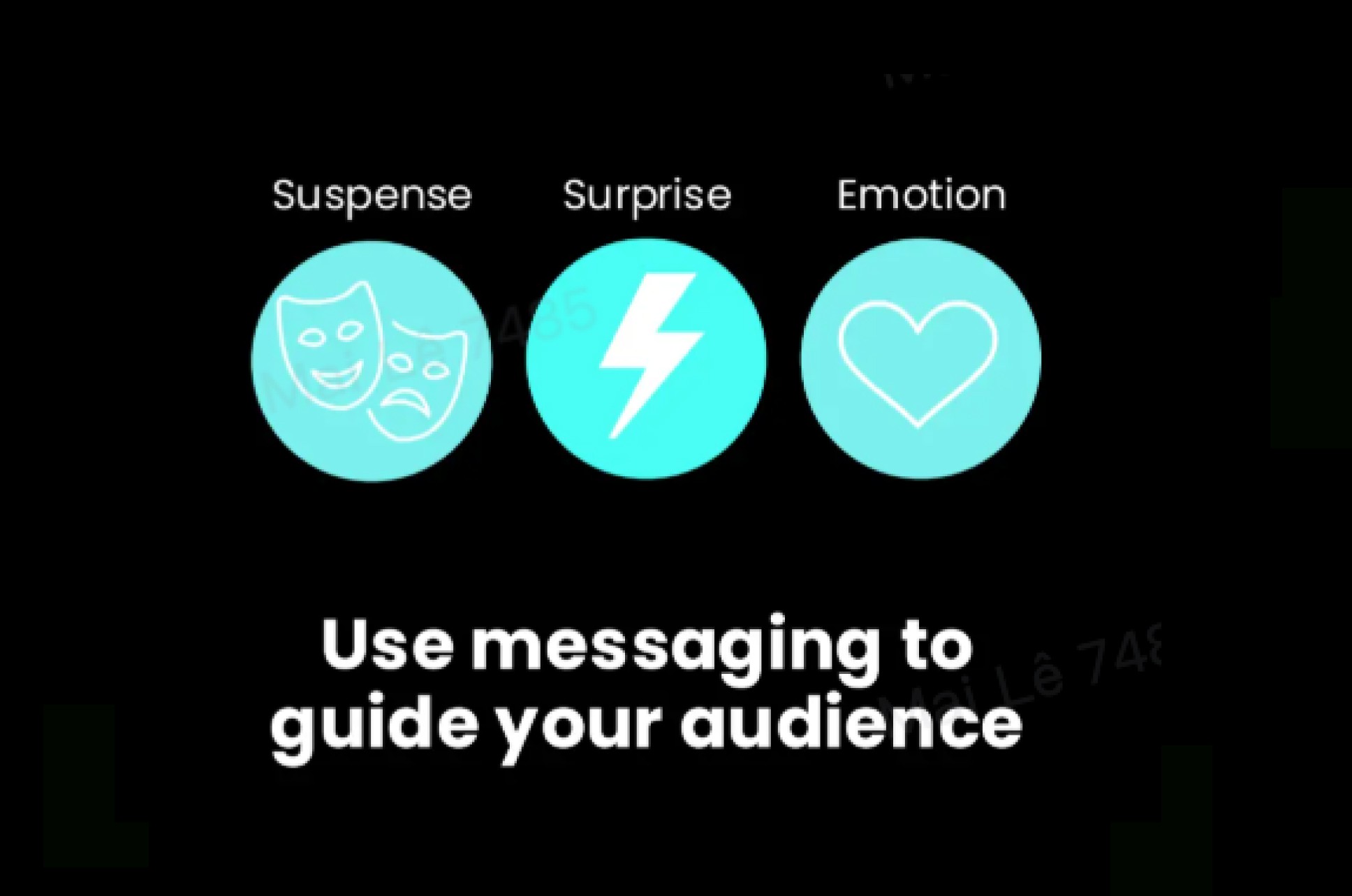
The hook is arguably the most important element of any TikTok video. If viewers are not interested in the opening moments, they will never see the rest of your content. The purpose of a hook is not to explain everything immediately. Instead, it should create a sense of curiosity about what happens next. The strongest hooks typically rely on suspense, surprise, emotion, or a relatable problem.
For example, a beauty creator might start with, “I spent six months trying to fix my skin before discovering this.” An e-commerce seller could open with, “I thought this product was completely overrated until I tried it myself.” A marketing expert might begin with, “Most advertisers are making this mistake without realizing it.”
These openings work because they create an information gap. Viewers feel compelled to continue watching in order to discover the answer.
Body: Delivering Value Through Narrative
Once attention has been captured, the next challenge is maintaining it. This is where the body of the story comes into play. The body section is where creators explain the problem, demonstrate a process, share an experience, or reveal details that move the narrative forward. Rather than delivering information all at once, successful TikTok creators gradually unfold the story to maintain curiosity.
One common mistake advertisers make is waiting too long to introduce their product. On TikTok, products should appear naturally throughout the content through additive branding, where the brand becomes part of the story instead of interrupting it. Strong TikTok storytelling also relies on pacing. Fast scene changes, visual movement, text overlays, demonstrations, and reactions help maintain viewer attention. The goal is to keep audiences asking one simple question: "What happens next?" As long as viewers are still searching for the answer, they are likely to continue watching.
Once a storytelling format proves successful, advertisers can leverage Smart+ campaigns to scale high-performing storytelling creatives more efficiently across broader audiences.
Close: Turning Attention Into Action
Many creators spend significant effort on their hook and body but neglect the ending. However, a strong close is what transforms attention into measurable results. The close should provide a logical conclusion to the story while guiding viewers toward a clear next step. This could involve visiting a TikTok Shop listing, downloading an app, following an account, leaving a comment, or learning more about a product. The most effective calls-to-action do not feel forced. Instead, they feel like the natural outcome of the story that has just been told.
Three Storytelling Formats That Consistently Perform on TikTok
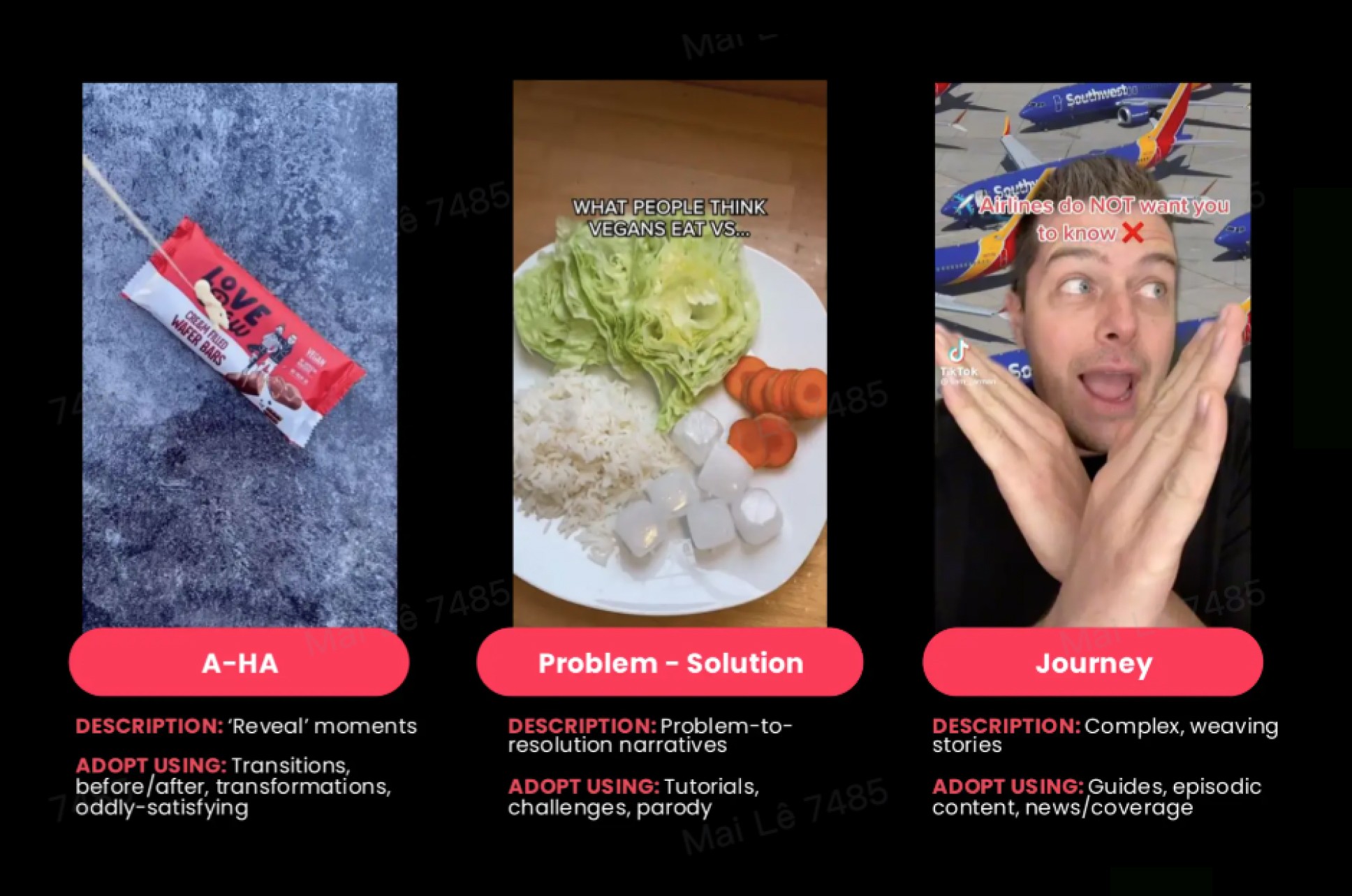
While Hook–Body–Close provides the overall framework, several narrative formats consistently perform well across TikTok. The first is the A-Ha Story Format, which revolves around revealing a surprising insight or unexpected result. Viewers stay because they want to discover the answer. This format works particularly well for product demonstrations, educational content, beauty transformations, and growth hacks.
The second is Problem-Solution Storytelling, one of the most effective structures for TikTok Shop content. The story begins with a challenge that feels familiar to the audience. As tension builds, the product is introduced as the solution. Because consumers naturally buy products to solve problems, this format feels intuitive and persuasive.
The third is the Journey Story Format, which follows a transformation over time. Whether documenting business growth, personal development, fitness progress, or a product launch, journey-based content creates emotional investment and encourages repeat viewing. Audiences return because they want to see how the story ends.
Want to create TikTok content that drives both engagement and sales? Contact Ecomdy today to discover proven TikTok creative strategies, performance advertising solutions, and AI-powered tools that help brands scale faster on TikTok.