Back
TikTok is removing Custom Identity ads in 2026. Learn what the F.I.R.S.T framework means, how Spark Ads will replace dark ads, and how brands should prepare.
TikTok Ads
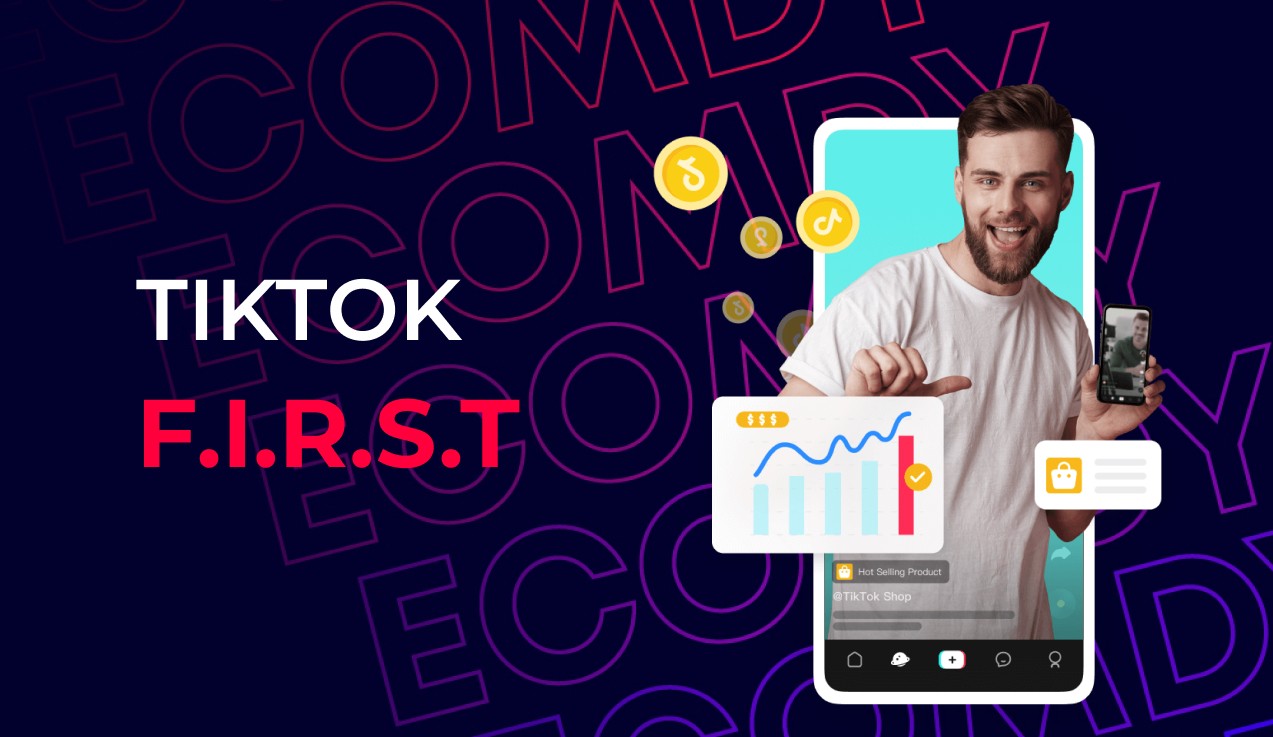
TikTok is officially moving away from the “Custom Identity” advertising model - a feature that previously allowed advertisers to run ads using custom profile names and avatars without linking to a real TikTok account. Starting in early 2026, advertisers will gradually be required to launch campaigns from verified TikTok profiles instead.
This marks one of the biggest structural updates to TikTok Ads in recent years, especially for brands heavily relying on dark-post style advertising or anonymous ad identities.
For advertisers, agencies, and TikTok Shop sellers, this is more than just a compliance update. It reflects TikTok’s broader direction toward authenticity, creator-style advertising, and stronger integration between organic content and paid media.
What was TikTok's custom identity?
Custom Identity allowed advertisers to create ads that appeared to come from a customized profile instead of an actual TikTok account. Brands could:
Use custom usernames
Upload custom profile photos
Run ads without maintaining an organic TikTok presence
Launch “dark ads” directly from Ads Manager
This setup became popular because it helped advertisers create native-looking ads quickly without depending on creators or organic posting workflows. For many performance marketers, especially in ecommerce and dropshipping, Custom Identity became a shortcut for scaling TikTok campaigns fast. However, the model also created transparency issues. Users often could not clearly identify who was behind an ad, making the platform feel less trustworthy over time. That is exactly what TikTok is now trying to solve.
Why TikTok Is Removing Custom Identity
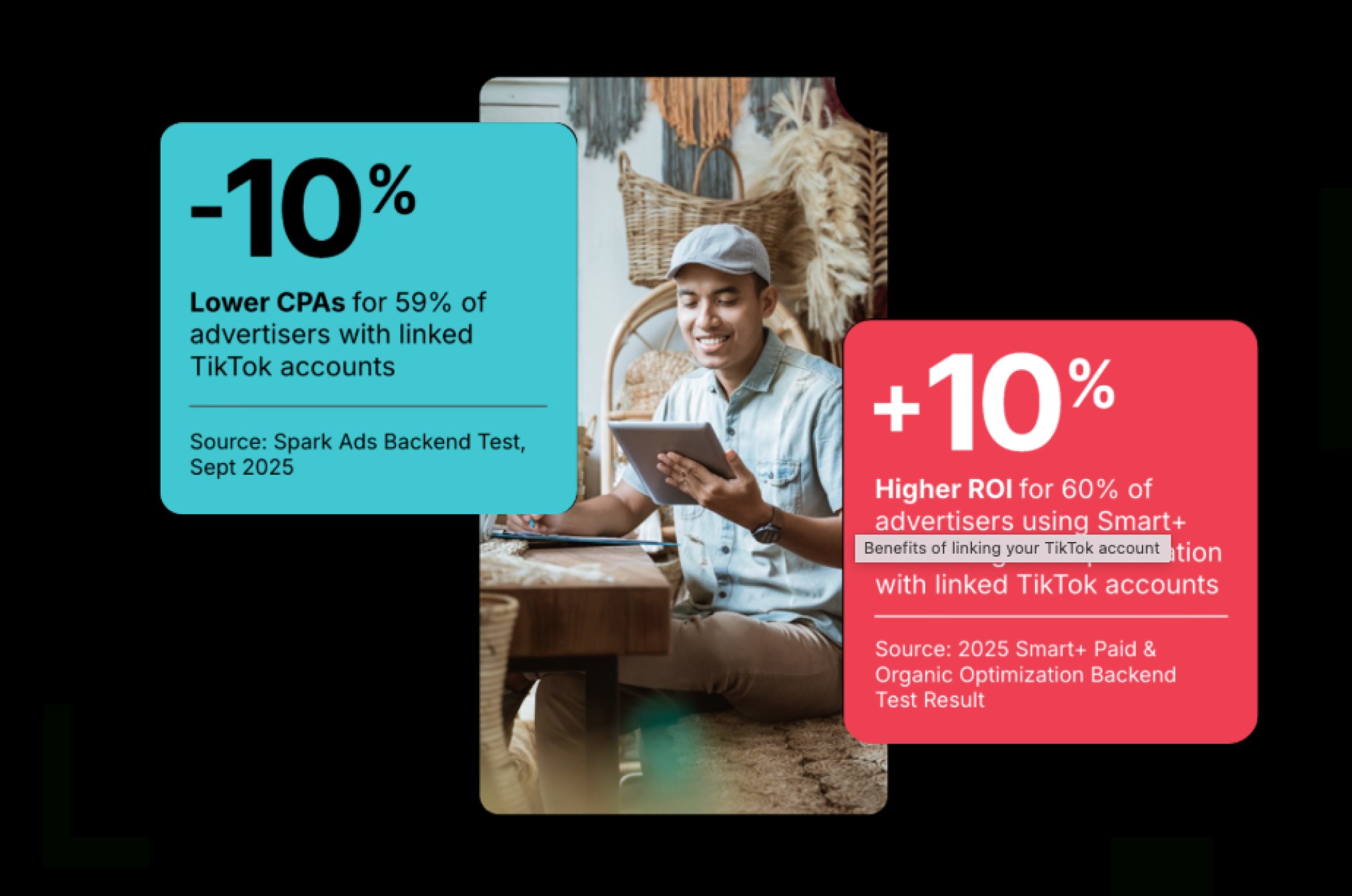
TikTok’s ecosystem has evolved dramatically over the last few years. The platform is no longer just a short-video app. It has become a commerce ecosystem where trust, creator influence, and brand authenticity directly impact performance. According to TikTok, advertisers who linked their accounts experienced stronger campaign performance in many cases. Internal backend testing showed that 59.3% of advertisers saw their CPA decrease by at least 10% after linking their ads to verified TikTok accounts.
The transition is also aligned with several larger trends happening across TikTok Ads:
Stronger emphasis on Spark Ads
Growth of creator-led commerce
Expansion of TikTok Shop
Increased importance of organic content signals
Better attribution and account transparency
AI-powered recommendation systems favor authentic engagement
In simple terms, TikTok wants ads to feel more like real TikTok content, not isolated advertising assets.
Introducing TikTok’s F.I.R.S.T Framework
To help advertisers transition away from Custom Identity, TikTok introduced the F.I.R.S.T framework. This framework provides a step-by-step roadmap for brands and agencies to build a compliant advertising setup.
F - Foundation First
The first step is creating an official Organization Account inside the TikTok Business Center. This becomes the verified business identity connected to all advertising activities. For agencies managing multiple clients, this step is especially important because it centralizes account ownership and improves long-term asset security.
I - Integrate & Link Accounts
Next, advertisers need to connect their TikTok profiles to Business Center. This creates a unified ecosystem between organic content, paid ads, TikTok Shop, creator collaborations, and Spark Ads. This integration is becoming increasingly important as TikTok’s algorithm continues prioritizing engagement signals from real accounts.
R - Roles & Responsibilities
TikTok now encourages advertisers to establish clearer permission structures. Brands should properly manage: agency access, media buying permissions, creator authorization, content publishing roles, and Business Center admin settings. This is especially critical for larger teams running campaigns across multiple regions or brands.
S - Spark Creativity
One of the biggest shifts is TikTok’s stronger push toward Spark Ads. Unlike traditional dark-post ads, Spark Ads use existing organic posts, creator content, authorized videos, and brand account content. This format typically feels more native inside the For You feed and often generates higher engagement rates. Spark Ads are quickly becoming the default direction for TikTok advertising in 2026.
T - Track & Transform
The final step focuses on optimization. Advertisers should compare:
CPA before vs after account linking
CTR improvements
Engagement metrics
Conversion quality
Creative performance
Brands that successfully combine organic strategy with paid amplification are likely to gain stronger long-term results on TikTok.
How E-commerce Brands Should Prepare
For TikTok Shop sellers and ecommerce advertisers, the best preparation strategy is to start building a real content ecosystem now. Some important steps include:
Create or optimize your official TikTok account
Post consistent organic content
Build a creator network
Test Spark Ads regularly
Organize Business Center permissions early
Link TikTok Shop with advertising assets
Invest in creator-style creatives instead of traditional ads
Brands that already operate with strong organic content strategies will likely adapt much faster.
Final Thoughts
The phase-out of Custom Identity is not just a technical update; it is a strategic shift in how TikTok wants brands to operate on the platform. While the transition may require additional setup and account management, it also creates opportunities for stronger performance, better trust, and more sustainable growth.
For brands that embrace Spark Ads, creator partnerships, and authentic TikTok-native content, this new ecosystem may actually unlock even better results than the old dark-post era ever could. The best time to prepare is now, before the transition becomes mandatory across all accounts.
Ready to adapt your TikTok advertising strategy for the new era? Contact Ecomdy today to optimize your TikTok Ads structure, Spark Ads strategy, creator collaborations, and scalable growth campaigns for 2026.